Current Level 0: ADF Level-0
0 / 5 Miles
0 / 7 Assignments
0 / 7 Exams

Mile 2: Cloud Computing & Data Integration Basics

🎬 YouTube Videos

No YouTube videos available

Check back later for new YouTube content.

📹 Library Videos

No library videos available

Sign up free to watch library videos on this mile, or explore the first three miles on free courses.

📚 Content

SECTION 1 WHAT IS DATA?

1 min read

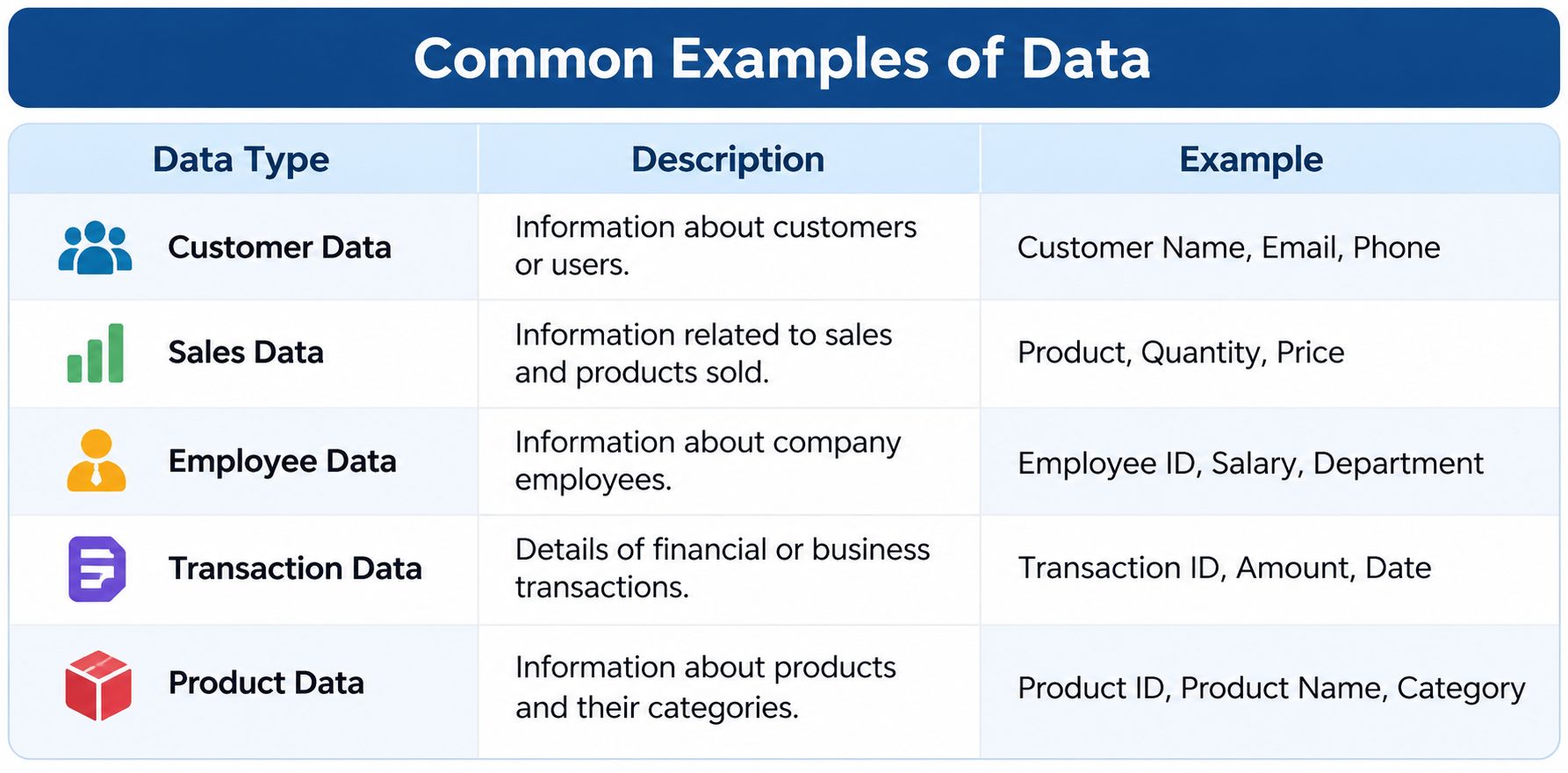
Data is a collection of facts, values, or information that can be stored, processed, and used to understand situations or make decisions.

Data can be in different forms, such as numbers, text, dates, images, customer details, transactions, and more.



Suppose a customer purchases a mobile phone from an online store:
Customer Name : Rahul
Product               : Mobile Phone
Quantity              : 1
Amount               : ₹20,000
Purchase Date : 04-Sep-2026

Note: All this information is data.

Sign up or sign in to rate this section
SECTION 2 WHERE IS DATA STORED?

1 min read

Data needs to be stored in a system or location so that it can be accessed, processed, and used when required.

Organizations store data in different locations depending on the type, size, and business requirements of the data.

Common Data Storage Locations
1. Databases: Databases are commonly used to store structured data.
Examples:

  • SQL Server
  • Oracle
  • MySQL
  • PostgreSQL

2. Files: Data can also be stored in different file formats.
Examples:

  • CSV
  • Excel
  • JSON
  • XML

3. Cloud Storage: Organizations can store large amounts of data using cloud storage services.
Examples:

  • Azure Blob Storage
  • Amazon S3
  • Google Cloud Storage
Sign up or sign in to rate this section
SECTION 3 WHAT IS DATA INTEGRATION?

2 min read

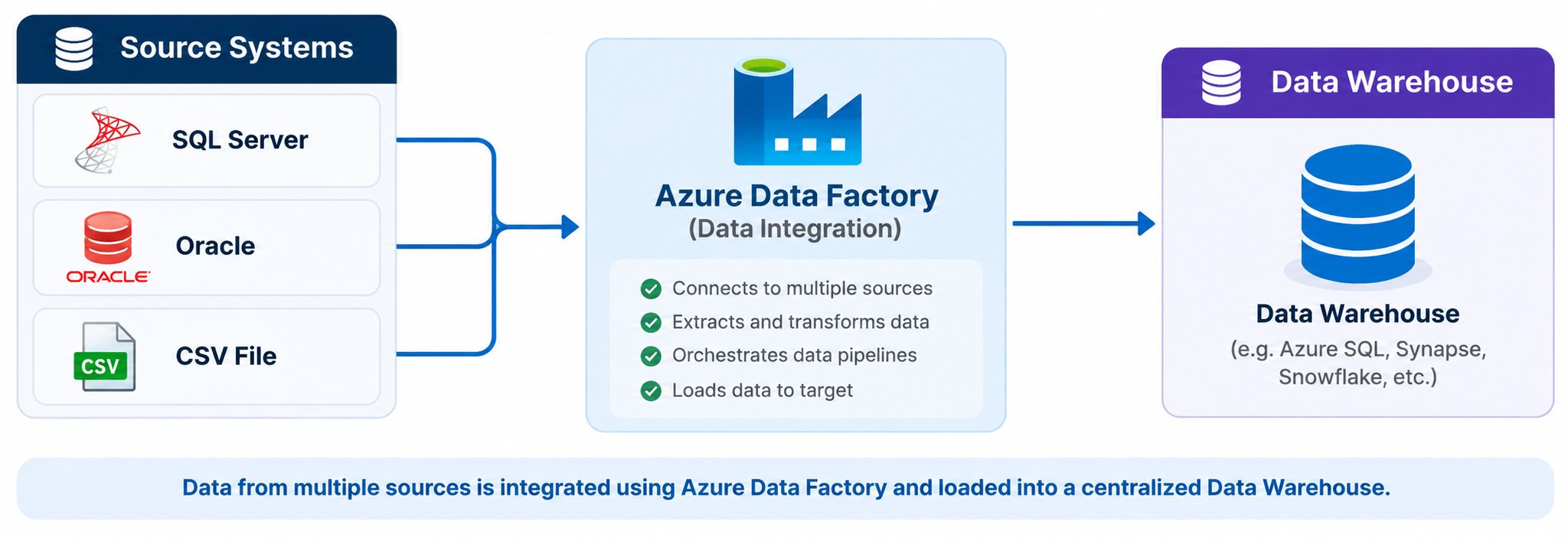
Data Integration is the process of collecting data from different sources, transforming it when required, and combining or moving it into a common destination for reporting, analytics, and business use.

In simple terms:
Multiple Sources → Collect → Transform → Combine → Destination


Suppose a company has:

  • SQL Server  → Customer Data
  • Oracle      → Sales Data
  • CSV File    → Product Data

The company wants to bring this information into a central data platform.


What Happens During Data Integration?
1. Extract
Data is collected from the source systems.

2. Transform
Data is cleaned, formatted, filtered, or modified according to business requirements.

3. Load
The processed data is moved into the target system.

This is commonly known as the ETL process:
Extract → Transform → Load

Sign up or sign in to rate this section
SECTION 4 WHAT IS CLOUD COMPUTING?

2 min read

Cloud Computing is the delivery of computing resources such as servers, storage, databases, networking, and applications over the internet instead of managing all the physical infrastructure ourselves.

In simple terms, instead of buying and maintaining physical servers, organizations can use computing resources provided by a cloud provider.


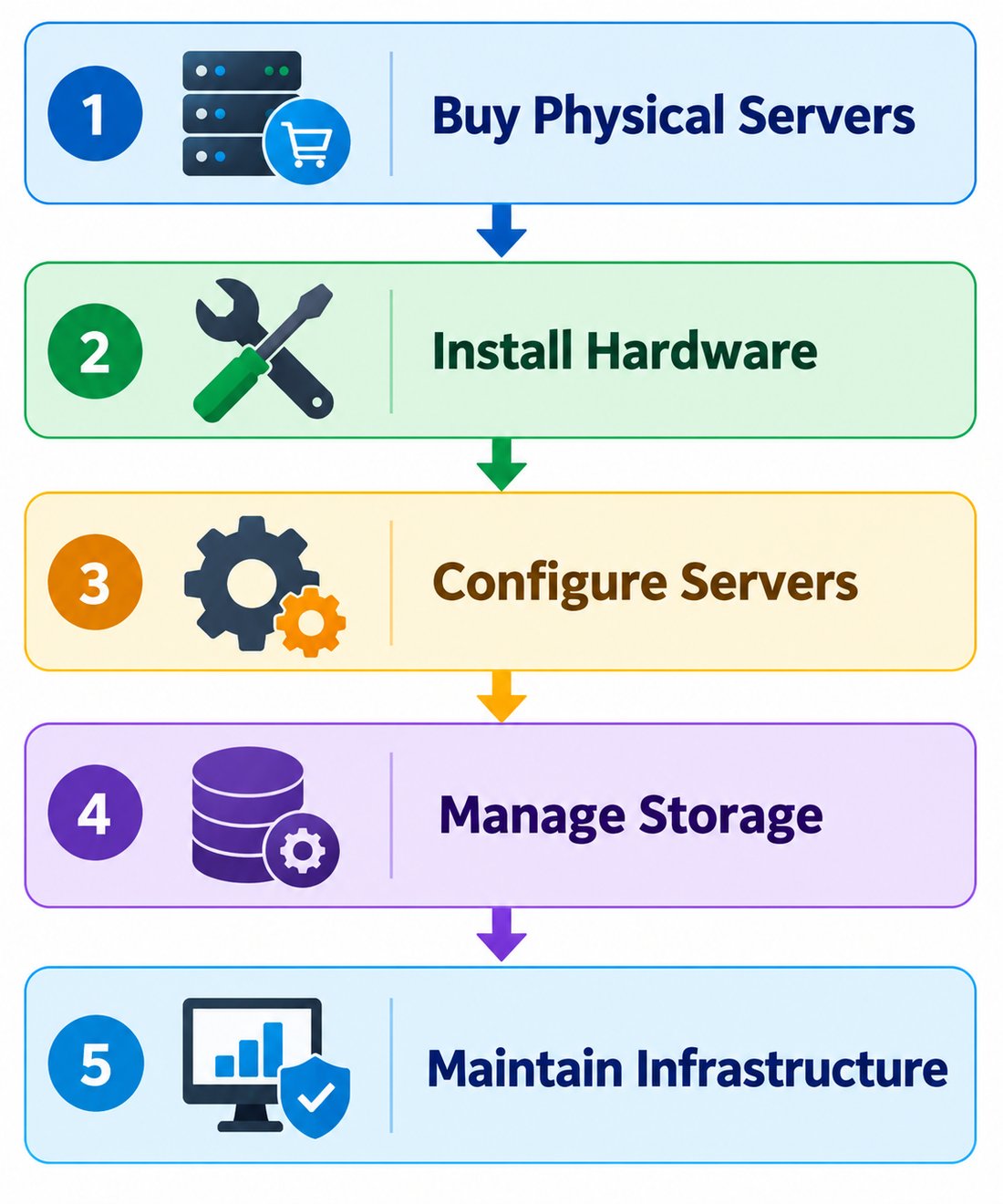
Traditional Approach
A company may need to:

Note: This requires hardware, maintenance, space, and operational resources.


Cloud Approach
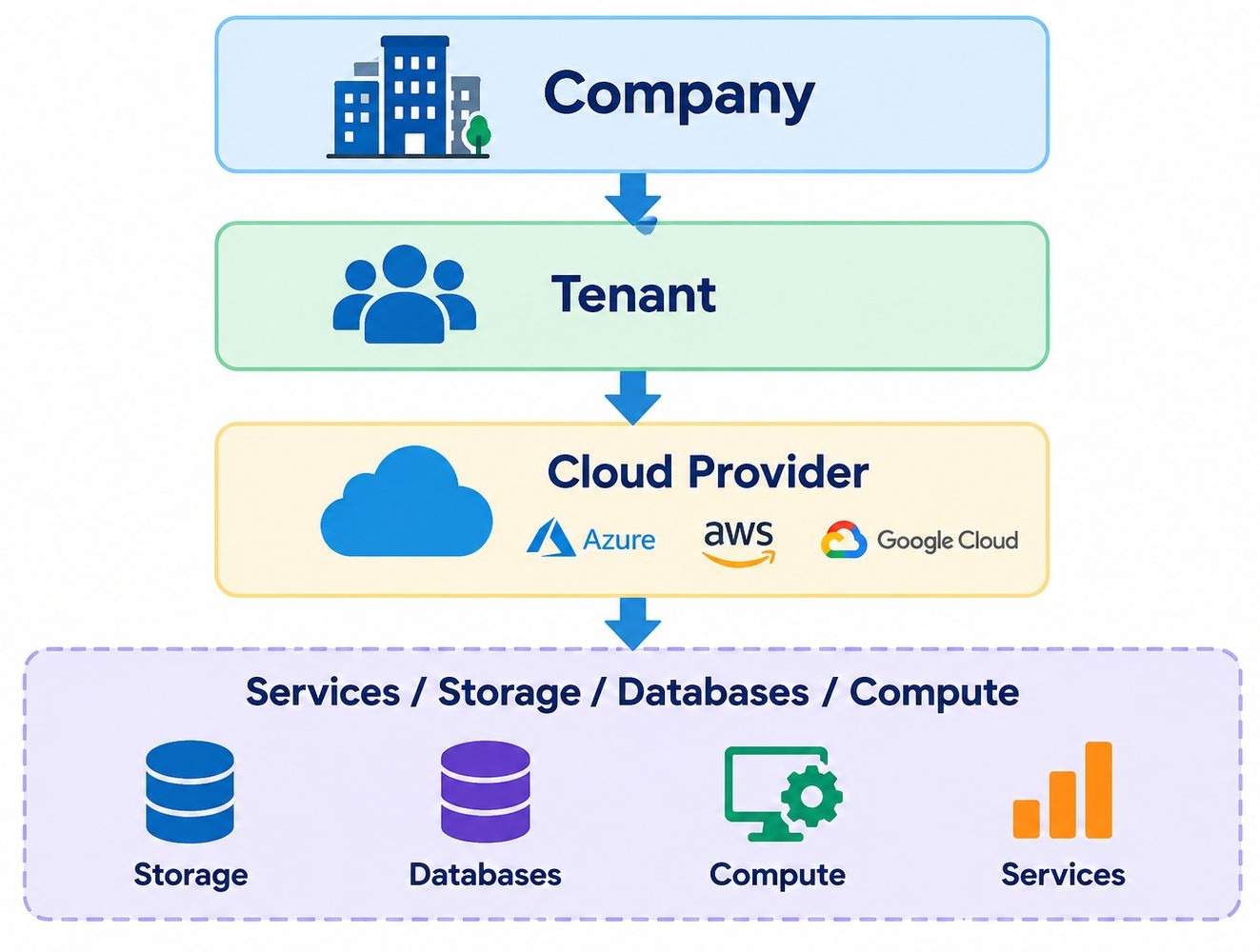
With cloud computing:

Note: The company can use the required resources without managing all the underlying physical infrastructure.


Popular Cloud Platforms

  • Microsoft Azure
  • Amazon Web Services (AWS)
  • Google Cloud Platform (GCP)

Suppose a company needs 10 TB of storage for its application data.

Note: Instead of purchasing and maintaining physical storage infrastructure, the company can use a cloud storage service and increase the storage capacity as its data grows.

Sign up or sign in to rate this section
SECTION 5 WHY CLOUD DATA INTEGRATION?

2 min read

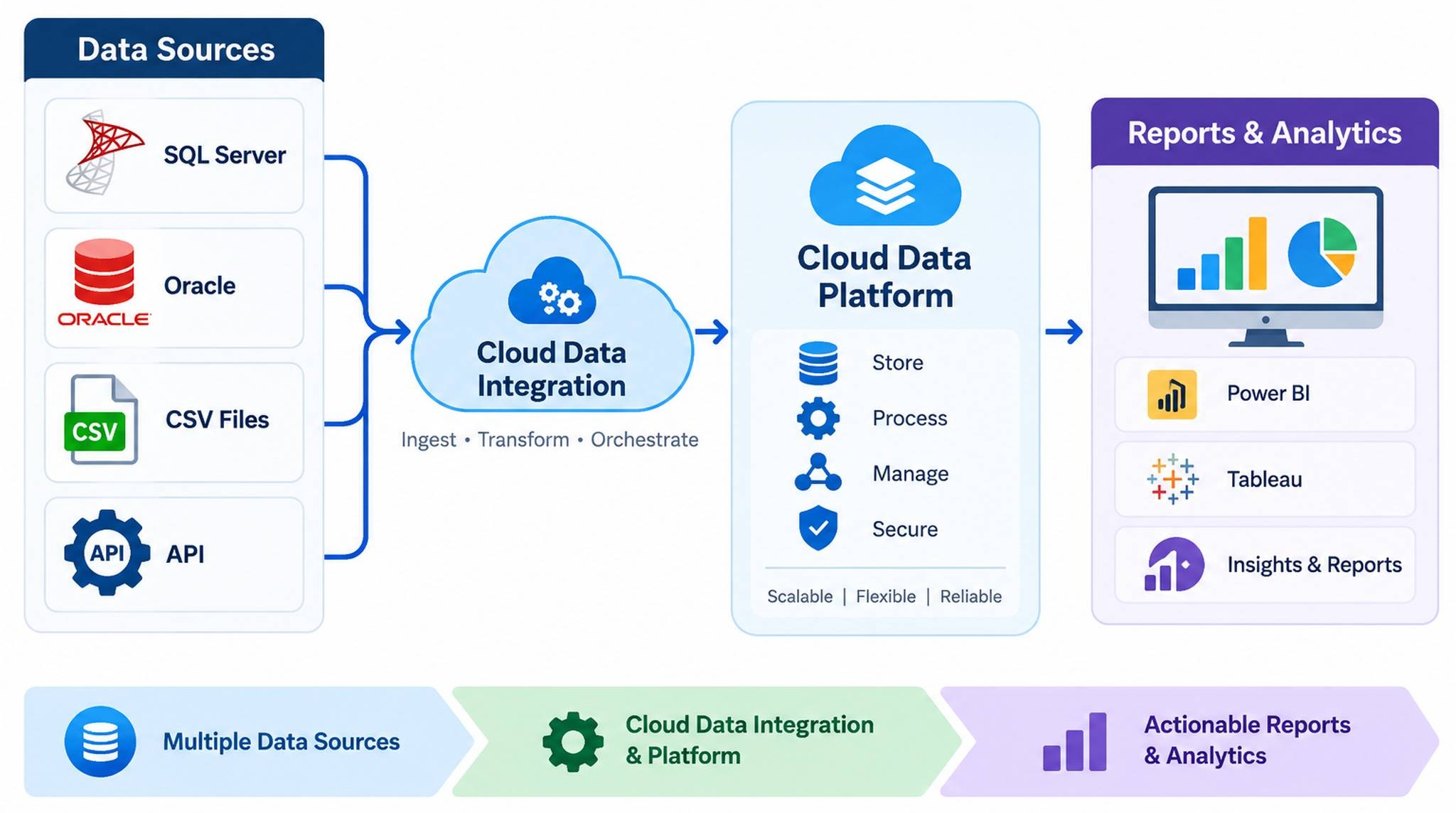
Cloud Data Integration is the process of connecting, moving, transforming, and combining data from different sources using cloud-based integration services.

Modern organizations usually have data spread across multiple systems, databases, files, applications, and cloud platforms.

Cloud data integration helps bring this data together for analytics, reporting, and business decision-making.


Suppose a company has:

  • SQL Server    →     Customer Data
  • Oracle           →     Sales Data
  • CSV Files       →     Product Data
  • API                →     Order Data

The company wants to bring all this data into a cloud-based data platform.


Why Do Companies Use Cloud Data Integration?
1. Connect Multiple Data Sources
It allows organizations to connect databases, files, APIs, applications, and other systems.

2. Handle Large Volumes of Data
Cloud platforms provide scalable resources for processing large amounts of data.

3. Automate Data Movement
Data pipelines can be scheduled or triggered automatically instead of moving data manually.

4. Support Analytics and Reporting
Data from multiple sources can be brought together so that analysts and business users can create meaningful reports.

5. Improve Data Accessibility
Data can be made available in a centralized cloud platform for different business and analytical requirements.

Sign up or sign in to rate this section

📝 Assignment

Available Assignments
Assignment Pass Mark Duration Actions
Cloud Computing & Data Integration Basics
70% 01:00:00

📊 Exam

Available Exams
Exam Pass Mark Duration Questions Actions
Cloud Computing & Data Integration Basics
70% 00:30:00 5

💬 Comments & Discussion

Sign up free or sign in to post a comment
Sign up free or sign in
No comments yet

Be the first to share your thoughts!