1 min read
About IDMC Journey
This is the Mile number 1 of IDMC level 0. We are going to cover here about ETL.
Check back later for new YouTube content.
Sign up free to watch library videos on this mile, or explore the first three miles on free courses.
1 min read
About IDMC Journey
This is the Mile number 1 of IDMC level 0. We are going to cover here about ETL.
1 min read
About Today's Journey
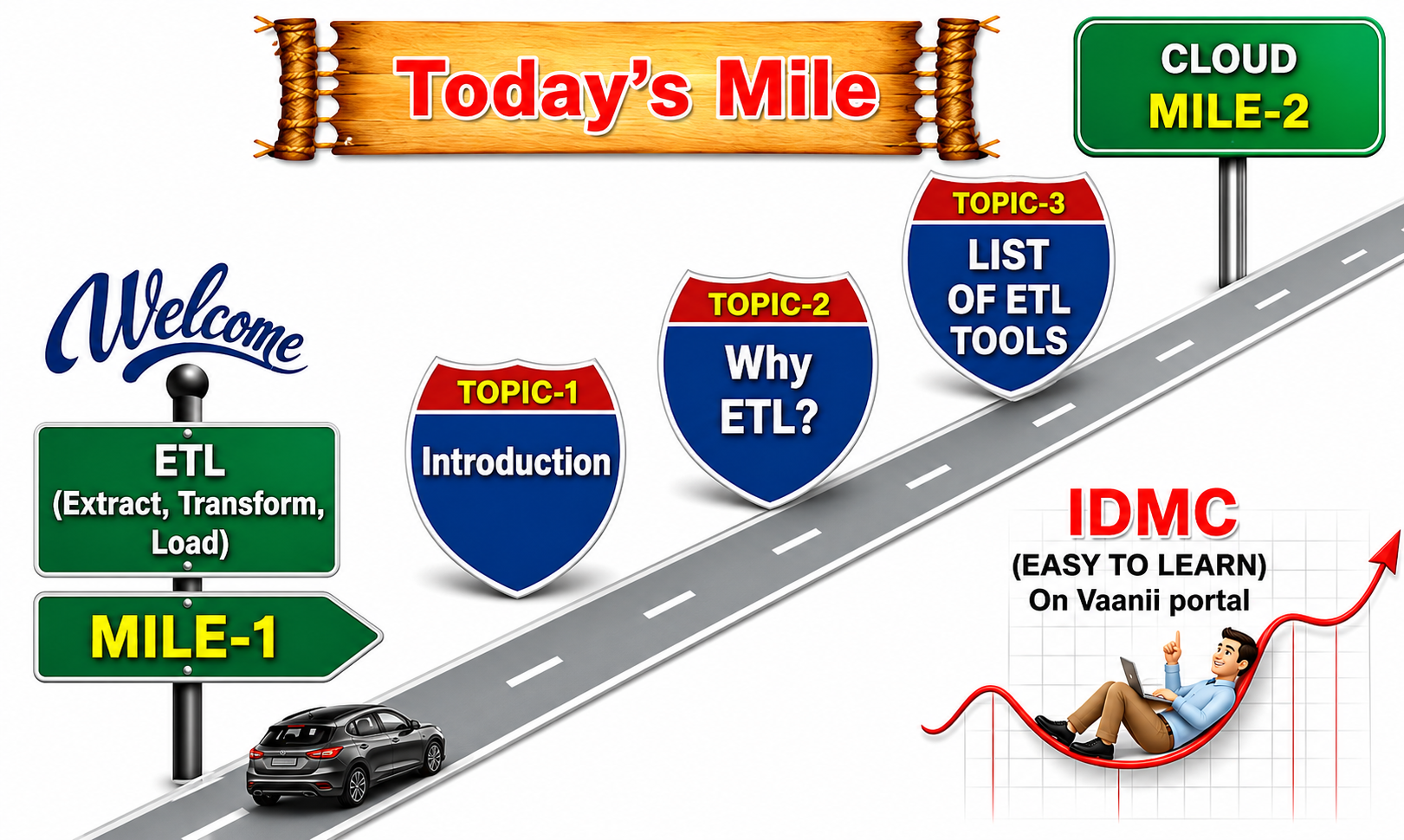
We are going to cover in this mile about IDMC Introduction, why we use ETL and the list of ETL Tools.
4 min read

ETL is a process by which we can extract data from disparate sources and transform the data by cleansing, applying business rules, check for data integrity, create aggregates or dis aggregates data and then finally loading (publishing).

What does ETL accomplish?
The three words in Extract Transform Load each describe a process in the moving of data from its source to a formal data storage system (most often a data warehouse).
Extract—The extraction process is the first phase of ETL, in which data is collected from one or more data sources and held in temporary storage where the subsequent two phases can be executed.
Transform—In the transformation phase, the data is processed to make values and structure consistent across all data. Typical transformations include things like date formatting, resorting rows or columns of data, joining data from two values into one, or, conversely, splitting data from one value into two.
Load—The load phase moves the transformed data into the permanent, target database. Once loaded, the ETL process is complete, although in many organizations ETL is performed regularly in order to keep the data warehouse updated with the latest data.
Where do Informatica-ETL concepts apply in Real-Time Business?
Informatica is a company that offers data integration products for ETL, data masking, data quality, data replica, data virtualization etc. Informatica ETL is the most commonly used Data integration tool used for connecting & fetching data from different data source.
Some of the typical use cases for approaching this software are:
1. An organization migrating from an existing software system to a new database system.
2. To set up a Data Warehouse in an organization where the data is moved from the Production/ data gathering system to Warehouse.
3. It serves as a data cleansing tool where data is detected, corrected or removed corrupt or inaccurate records from a database.
1 min read

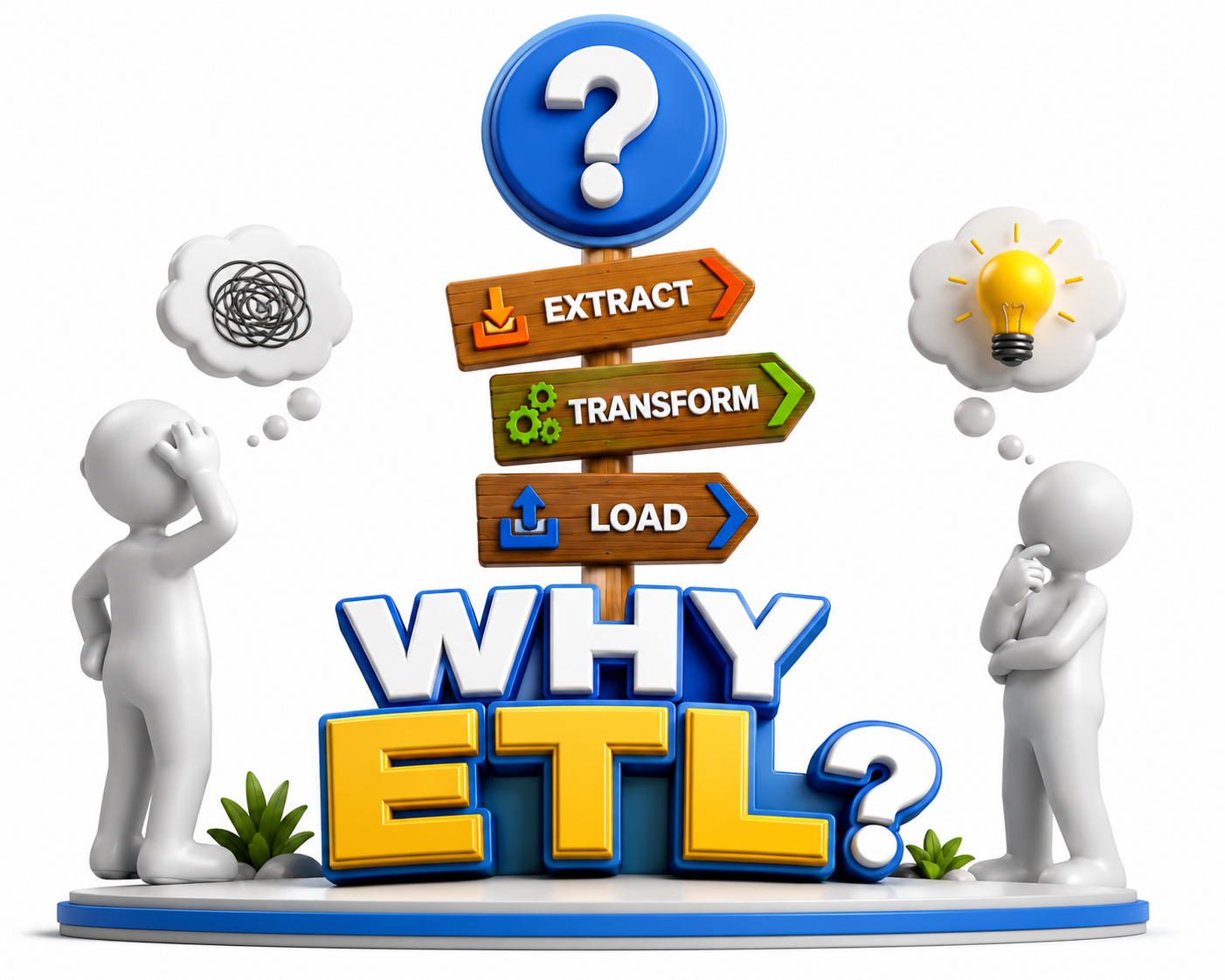
ETL is a key process to bring all the data together in a standard, homogeneous environment.

An Auditing firm wants to analyze total tax deposited in a given year department wise.
Now as we know we have many departments and assuming that each department is sending their details in different formats.
- Let's say department ABC uses *.xls, while department MNO uses *.csv.
- Now we need an ETL process<JOB> to read this data and perform business logic that a firm want to see only appropriate report.
1 min read
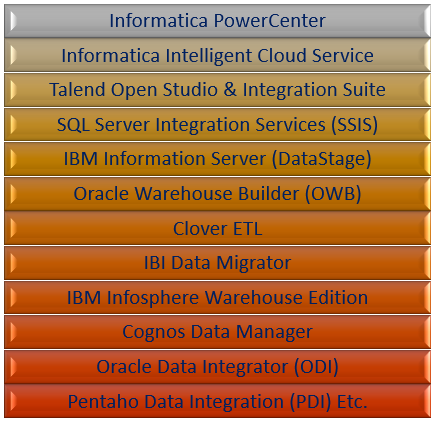
The different ETL tools are listed randomly and listed below are the products that are included in our ETL tools comparison matrix.
| Assignment | Pass Mark | Duration | Actions |
|---|---|---|---|
|
ETL
|
70% | 01:00:00 |
| Exam | Pass Mark | Duration | Questions | Actions |
|---|---|---|---|---|
|
ETL
|
70% | 01:00:00 | 5 |
💬 Comments & Discussion
No comments yet
Be the first to share your thoughts!